
Warts are common skin growths caused by certain types of the human papillomavirus (HPV). While many are harmless, some may spread, become painful, or affect confidence. At DTC Skin Clinic, wart removal treatment in Delhi begins with a detailed skin assessment. The right wart removal method depends on the wart's type, size, location, and your overall skin condition, so treatment is always decided after examination by a dermatologist.
Warts develop when HPV enters the skin through tiny cuts or breaks. They can spread through direct contact or shared surfaces, although not everyone exposed develops them.
Common types include facial warts, common warts on the hands, and foot warts, including plantar warts that may cause discomfort while walking. Depending on the location, your dermatologist may advise facial wart removal, foot wart removal, or plantar wart removal using the most appropriate medical approach.
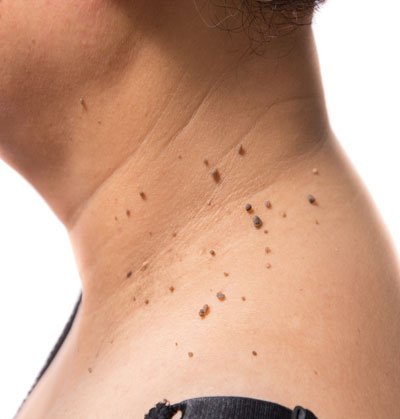
Important: Warts are caused by the Human Papillomavirus (HPV) and may spread through skin contact if left untreated. Avoid picking or scratching them, and have persistent or spreading warts evaluated by a dermatologist.
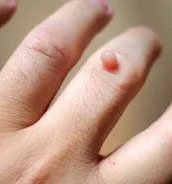
Rough, raised growths that usually appear on the hands and fingers, often around the nails.
Found on the soles of the feet. Body weight pushes them inward, which can make walking painful.
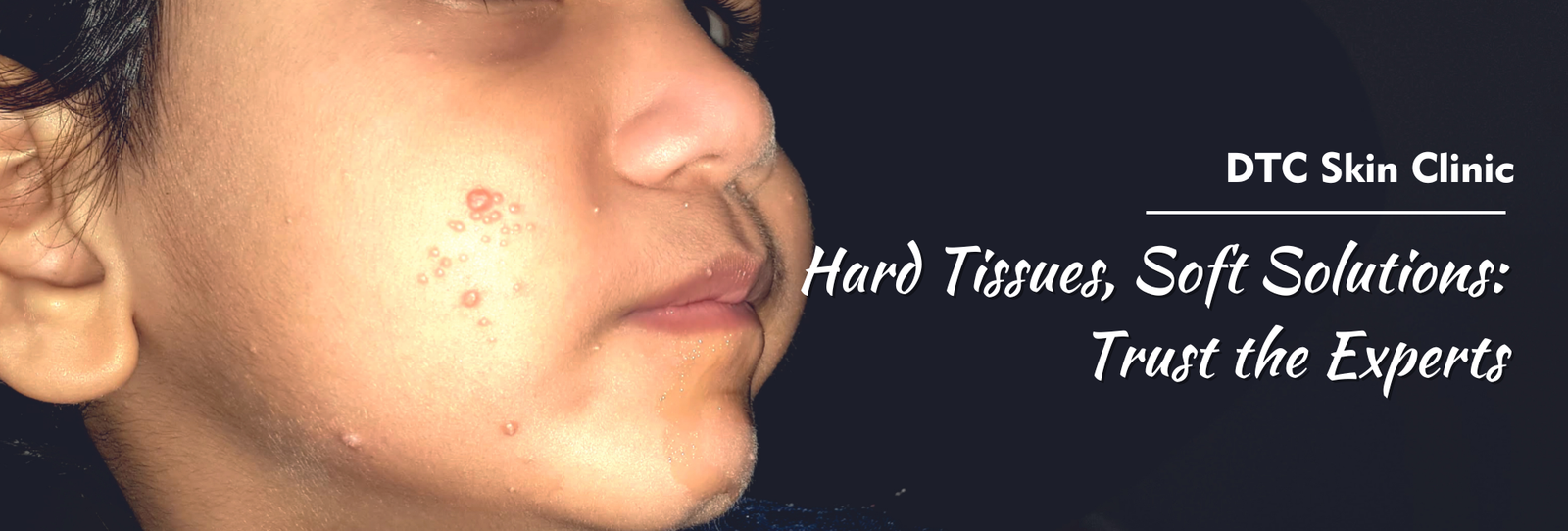
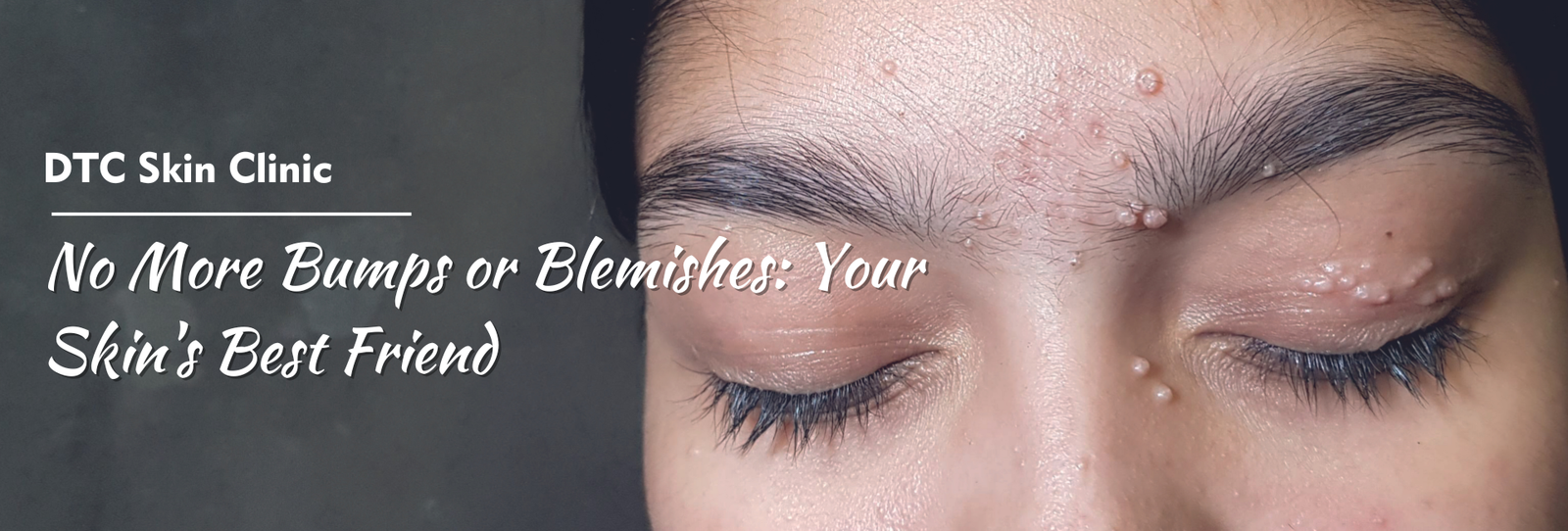
Smaller, smoother warts that often appear in groups on the face, forehead or legs.
Long, thread-like warts that commonly grow around the mouth, nose or eyes.
Warts that develop around or under the fingernails and toenails and can affect nail growth.
A sexually transmitted form of HPV (educational mention only). These require confidential medical evaluation and care.
If you notice any of these, a dermatology assessment is the safest next step.
Discuss your symptoms, medical history, and concerns to understand the condition and treatment goals.
A dermatologist carefully examines the wart's size, depth, location, and surrounding skin.
The wart type is identified to rule out other skin conditions and recommend suitable wart treatment.
A personalised plan is created based on clinical findings, your skin type, and the wart's characteristics.
Depending on the wart, the dermatologist may recommend laser treatment for warts, laser wart removal, or another appropriate medical removal method.
You receive aftercare instructions and follow-up advice to support healing and monitor the treated area.
May improve the appearance of the affected skin.
Can reduce discomfort caused by painful warts.
Helps lower the risk of spreading warts.
Suitable for stubborn or recurring common warts.
Most treatments are quick outpatient procedures with little disruption to your day.
Care delivered in a clinical setting with appropriate technique and aftercare.
Led by Dr. Rohit Goel with extensive experience in skin, hair and cosmetic care.
Treatment matched to the type of wart, its location and your skin.
Current dermatological techniques selected for each individual case.
Clear explanations, confidentiality where needed, and honest guidance.
A well-equipped clinical setting supporting safe, effective treatment.
A full range of dermatology and cosmetology services under one roof.
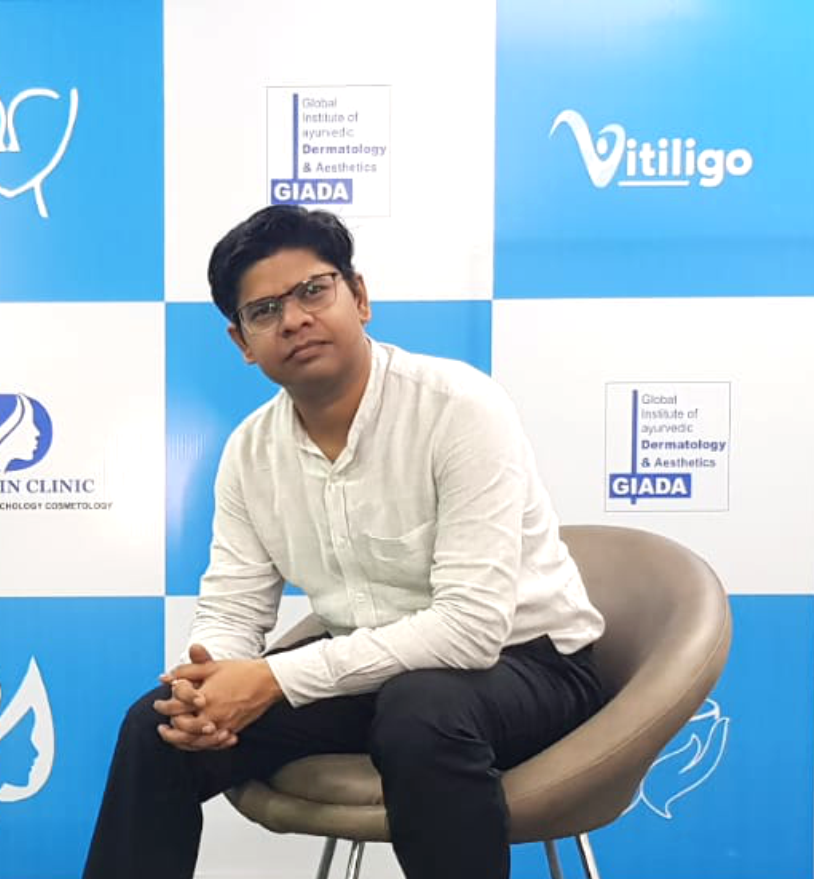
Dr. Rohit Goel — Ayurvedic Dermatologist (Dermatology, Trichology & Cosmetology)
Dr. Rohit Goel is an accomplished Ayurvedic Dermatologist with a rich experience spanning 15 years. As the founder of DTC Skin Clinic, he has built a practice focused on advanced, individualised skincare, blending traditional Ayurvedic understanding with modern dermatological practice. His careful diagnosis and patient-first approach make him a trusted choice for treating warts and a wide range of skin concerns.
Not every wart needs the same treatment. A professional dermatology consultation can identify the type of wart and determine the most suitable, safe option for your skin.
Book ConsultationTestimonials reflect our commitment to careful, professional skin care. Join the community of satisfied patients at DTC Skin Clinic.
A painful wart on my foot made walking difficult. Dr. Goel treated it carefully and explained how to stop it coming back.
I had several warts spreading on my hand. The clinic diagnosed the type and the treatment was straightforward and clean.
Home remedies never worked for my warts. Getting them treated professionally finally solved the problem.
The doctor explained that warts are caused by a virus and how to avoid spreading them. Very informative and reassuring.
Warts are caused by the human papillomavirus (HPV). The virus enters through tiny breaks in the skin and triggers the harmless overgrowth of skin cells that forms a wart.
Yes. Warts can spread through direct skin-to-skin contact and sometimes via shared surfaces or objects. They can also spread to other areas of your own skin, so early treatment is sensible.
Discomfort is usually minimal. Depending on the method, a local anaesthetic may be used, and the dermatologist selects an approach that keeps the procedure as comfortable as possible.
Some warts clear on their own over time, but this can take months or years and they may spread meanwhile. Painful, spreading or persistent warts are best evaluated by a dermatologist.
Because warts are caused by a virus, they can sometimes recur even after successful removal. A dermatologist can advise on reducing recurrence and re-treating if needed.
Picking, cutting or scratching a wart can spread the virus to nearby skin, cause bleeding or infection, and make things worse. Professional removal is safer and more effective.
Most wart removals are outpatient procedures with little downtime. Healing time depends on the size, number and location of the warts, and the dermatologist will explain aftercare.
Some over-the-counter products help mild warts, but they often fail with stubborn, painful or spreading warts and can irritate surrounding skin. See a dermatologist when home treatment has not worked.
Plantar warts grow on the soles of the feet and are pushed inward by body weight, which can make them painful when walking. They often need professional treatment.
Yes. A consultation lets the dermatologist confirm the diagnosis, identify the type of wart and choose the most suitable, safe treatment for your skin and situation.
Learn more about our skin treatments and cosmetic treatments, or read about moles and warts removal and mole removal treatment. You can also explore our hair treatments and PRP treatment, or visit the our doctors and about us pages. To speak with us directly, head to the inquiry page.
If you have a painful, spreading or stubborn wart, a qualified dermatologist can confirm the diagnosis and recommend the most suitable treatment. Book your appointment with DTC Skin Clinic today.
Book Appointment Contact Us